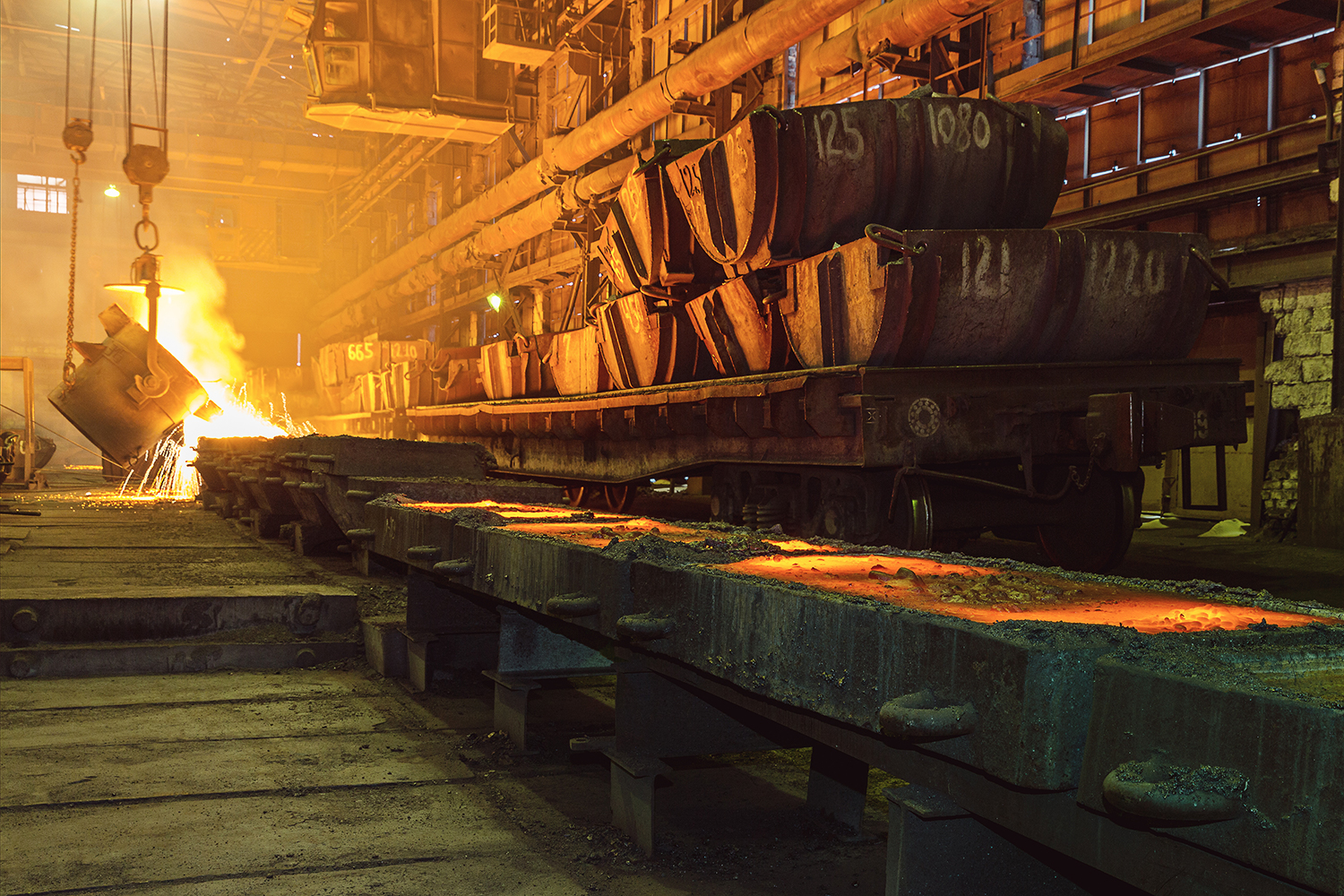
Will Manufacturing Jobs Return to the United States?

This has become a big question in recent years and the center of much political debate, but the question remains largely unanswered. According to the current employment statistics survey conducted by the Bureau of Labor Statistics, there has been an increase in manufacturing jobs in the U.S. over the past few years. However, January 2019 saw little job growth in the manufacturing sector. In January 2019, 13,000 jobs were created, in contrast to 16,000 in January 2018.

The good news is, the industry spiked in November and December 2019, gaining 27,000 and 20,000 jobs, respectively. The majority of these new jobs was in durable goods, which is the largest manufacturing industry in the U.S.

The 264,000 manufacturing jobs added in 2018 have brought the number of manufacturing jobs up to 12.84 million. While this may seem like a lot, that number reflects only 8.5 percent of working Americans, which is the lowest amount of people employed in manufacturing ever.
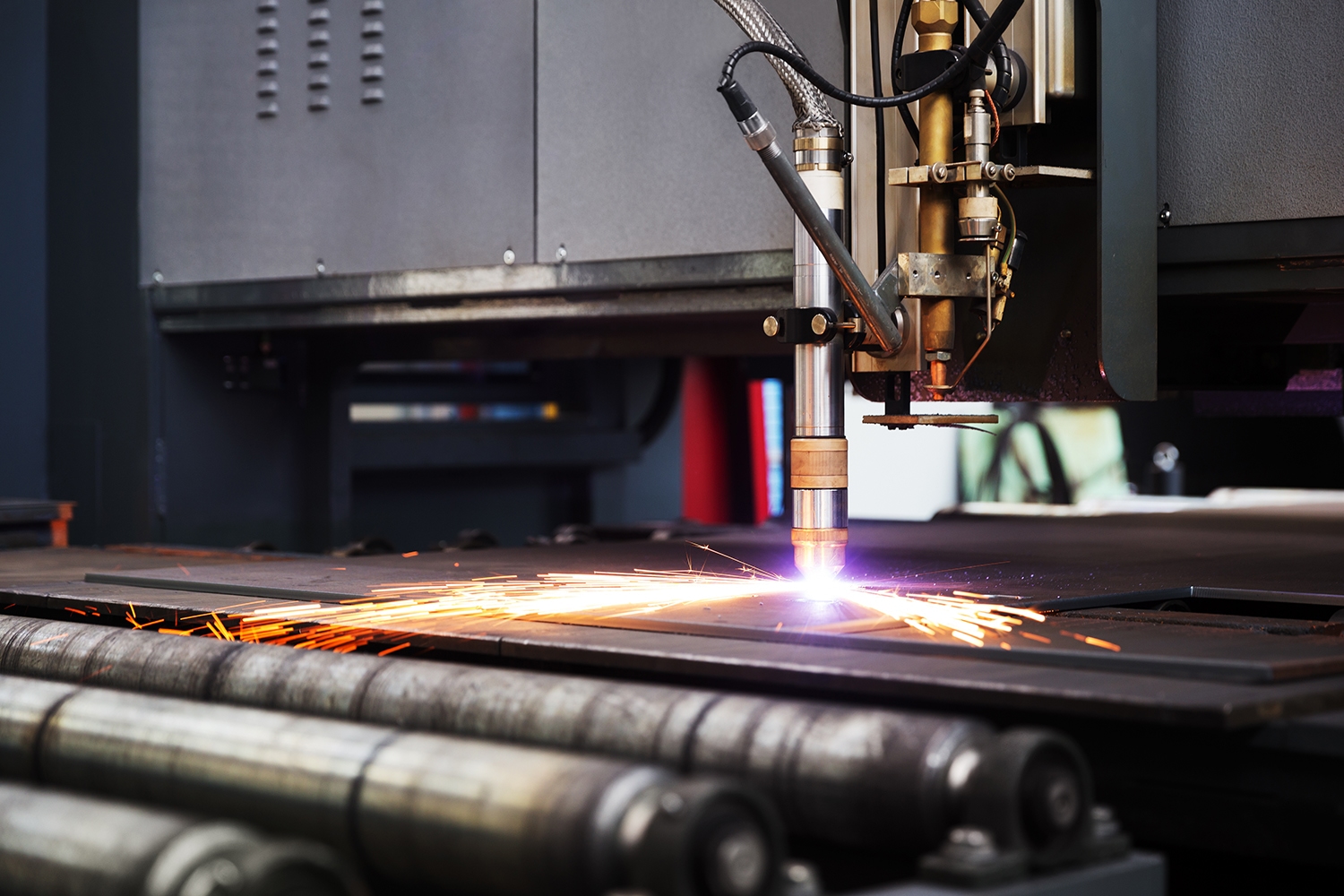

Laser Cut Precision American Steel Quality

Manufacturing Incentives in the USA

Many areas are creating incentives to try to get corporations to open their manufacturing plants in the U.S. instead of taking them overseas. These incentives are usually in the form of tax credits and breaks, though they can sometimes include things like land and helping with the infrastructure.

Last year, Alabama put together an incentive package of over $70 million to attempt to get Toyota and Mazda to build their new factory in the state. The factory would employ around 4,000 people, bringing economic benefits to the area. Part of the offer included providing the land, building a road to the factory and property tax abatements worth $107 million over 20 years. Multiple states competed for these factories, but Alabama won in the end.

In another endeavor, Jinko Solar began building its factory in Jacksonville last year, after being offered $24.2 in local incentives. The Shanghai-based company pledged to in return bring 800 new jobs to the area by the end of 2019. This is Jinko Solar’s first factory in the United States.

Jinko Solar Manufacturing Plant in Jacksonville Florida

Incentives for Manufacturing Overseas

Many people say they manufacture overseas because they can keep their production costs lower without having to sacrifice quality. However, more often than not, the costs of the materials are about the same price overseas as they would be in the U.S. What makes the manufacturing costs cheaper overseas is the amount they have to pay for labor; the wages overseas can be significantly cheaper than they are in the U.S. If you plan to mass produce, that is where you will see a major difference in the prices.

Tax laws are another incentive for companies to have their manufacturing done overseas. High taxes have been used in the past to attempt to dissuade companies from manufacturing overseas. For example, some firms are required to pay a tax rate of 35 percent on their profits made overseas; but when the Tax Cuts and Jobs Act of 2017 passed, everything changed.

“The new tax bill cuts the overall corporate tax rate to 21 percent, and allows income from overseas to be taxed at about half that rate – to as low as 10 percent.”

Source: Reuters

Metal Building Skylights and Wall Lights

Top Manufacturing Countries

The Brookings Manufacturing Scorecard compared the manufacturing environment in the United States to 19 other countries and ranked them based on:

7 RANKING FACTORS

  • CheckmarkPolicies and Regulations
  • CheckmarkTax Policy
  • CheckmarkEnergy
  • CheckmarkTransportation
  • CheckmarkHealth Costs
  • CheckmarkWorkforce Quality
  • CheckmarkInfrastructure
  • CheckmarkInnovation

The survey also compared information on manufacturing output, manufacturing employment, and changes overtime. They found China to be the top nation for manufacturing output; the U.S. came in second in that category, Japan came in third. Twenty-seven percent of China’s overall national output is manufacturing and it accounts for 20 percent of the manufacturing output in the world. Twelve percent of the United States’ total output is due to manufacturing which equates to 10 percent of the overall global output. Japan’s manufacturing output is 19 percent and its contribution to the world output is 10 percent. China, the United States and Japan together account for 48 percent of the manufacturing output in the entire world.

Manufacturing Scorecard Results

Brookings found the top five countries to be:

  • Tied for First: United Kingdom and Switzerland with 78 out of 100
  • Third Place: United States with 77 points out of 100
  • Fourth Place: Japan with 74 points out of 100
  • Fifth Place: Canada with 74 out of 100 points

The nation with the largest number of citizens working in manufacturing was Poland, followed by Germany, Italy, Turkey, and South Korea. This may be surprising to some since non of these countries ranked among the top 5 manufacturing countries.

Top Manufacturing Countries

Conclusion

With the U.S. being in the top five countries to have a factory in, along with the potential tax breaks and incentive packages, right now is a good time to be in the manufacturing industry in the United States. While the tax breaks can be a good incentive for manufacturing overseas, the incentive packages many states and the federal government offer can offer a greater incentive to remain domestic and grow a manufacturing business in America.

Ready to Design Your Building?
Use Our 3D Designer Request Your Quote.

Bring your project to life with our 3D Building Designer. Already know your size? Get a quick quote (3 easy steps) with our Price Your Building Online form. Prefer a person? Call us now for immediate assistance with your project.

3D Building Designer