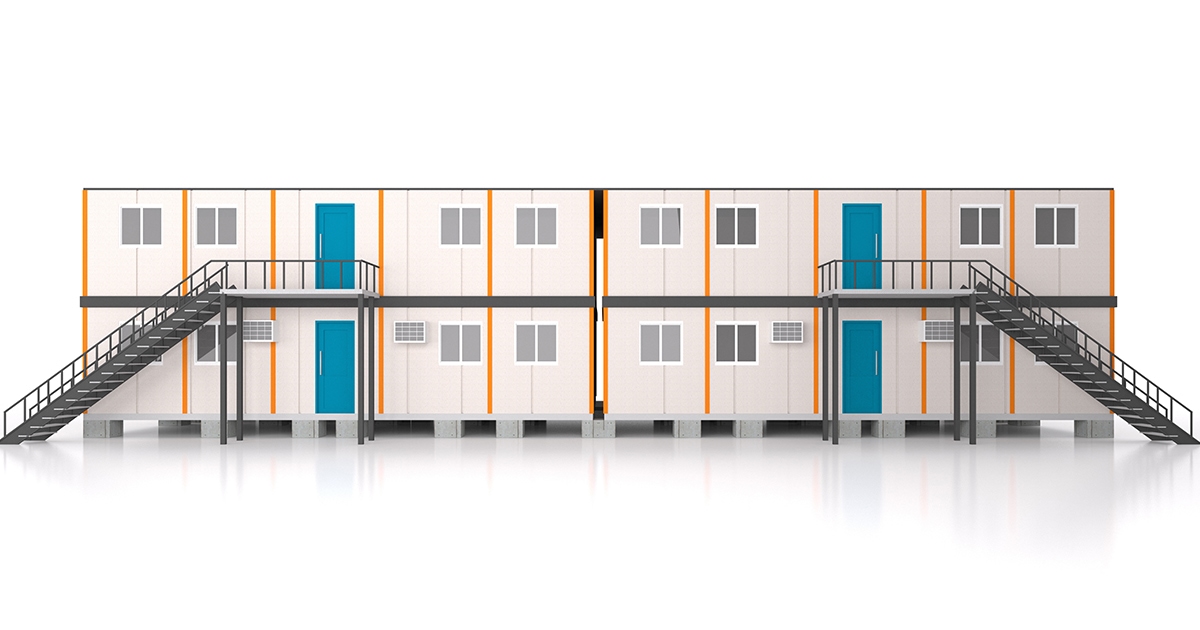
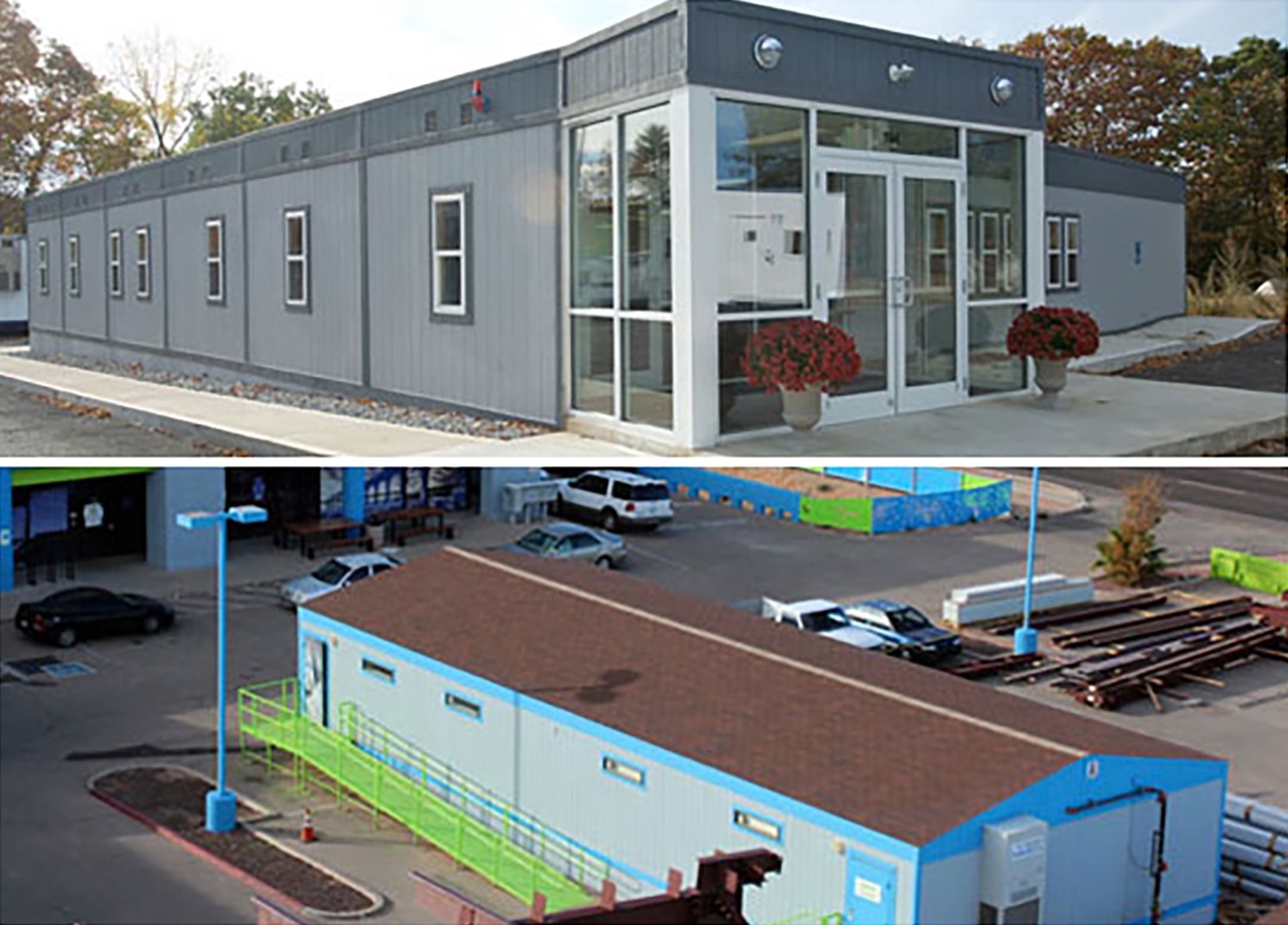
A modular building is a pre-engineered steel structure, which means its components, or modules, are built in a factory setting according to the same codes as any traditionally constructed buildings. The finished modules are transported by commercial trucks to a construction site, where they are assembled by a builder. Each module is installed to form a self-supporting structure that can support another modular unit on top. While this can be an advantage for compartmentalized vertical construction, modular buildings have limits when it comes to large-scale facilities. This becomes especially true for buildings that span wider than a semi-truck bed.
Modular buildings are common solutions for buildings that have a replicated structure. This structure would include dormitories, mid-size hotels, apartment complexes or other housing projects that have smaller units. The size of the individual modules are limited by state transportation laws since they are transported and delivered by commercial trucks. Modular buildings are able to be easily modified, making them also popular options for small additions including school cafeterias, permanent classrooms and weight rooms, among others.
One of the primary benefits of modular construction is time savings. Modular buildings are produced offsite using methods similar to the traditional assembly line, which contribute to a more efficient and focused construction timeline. As the modules are constructed separately by the manufacturer, the construction site can be assessed and prepared. When the modules are delivered to the site, about 80% of the construction is already completed. It is then only a matter of installing the modules and putting on the final touches such as utilities. When compared to traditional construction methods including site-built, wood frame construction, modular construction offers a quicker and more efficient route to the time of occupancy. The shorter construction timeline also means fewer labor costs, site disruptions, weather delays and decreased risks of on-site accidents and injuries.
Modular Pros
Shorter construction timelines
Reduced on-site construction costs
Good for replicated vertical structures
Modular Cons
Sizes are limited by transportation laws
Customization possibilities are limited
Not engineered for your location
Building System Pros and Cons
Whether used in low-rise commercial buildings or skyscrapers, rigid frame buildings offer clear span framing, which is perhaps its most valuable feature in addition to its design capabilities. Clear span framing uses no interior columns because the building load is transferred to the side of the building. That leaves hundreds of feet of open space, making rigid frame buildings ideal for agricultural buildings, recreational facilities, factories, storage buildings and warehouses.
Rigid Building Pros
Clear span capabilities up to 300’
I-beam construction = stronger structure
Can be erected quickly
Rigid Building Cons
Fabrication timelines can be 3-6 weeks
Higher on-site construction costs
More expensive to go vertical
Modular vs Portable Buildings
It’s important to note that while individual modules are transported from the factory to the construction site, completed modular buildings are not the same as portable buildings. Portable buildings are often used by schools dealing with limited budgets and reduced classroom space due to overcrowding. Modular buildings on the other hand, are permanent structures that are installed on a foundation and provide the protection from the elements that steel structures are known for.
By doing a quick search for metal building prices you can find countless construction methods, one of which is a modular building on eBay. While we don’t recommend eBay metal buildings, we will use their pricing to compare steel building and a building purchased through General Steel.
Modular
24x48$40 per SQFT
Total Material Cost$48,472
Total Project Cost$48,472
Rigid Building
24x48$10-$15 per SQFT
Total Material Cost$9,216-$16,824
Total Project Cost$25,000-$35,000
Rigid Building Materials
Rigid frame buildings are characterized by their I-beam main frames. This framing style has produced prefab metal buildings and even highrises in its wake. In either case, these frames, located at the each end of the building and sometimes at intervals between, endure most of the building’s load. These types of buildings have become more popular as individuals, engineers, architects and companies recognize the strength of the structure and potential for creative design. The word “rigid” in the building description refers to the structure’s ability to resist deformation and in no way reflects the building’s ability to be customized or modified.
Versatility in Design
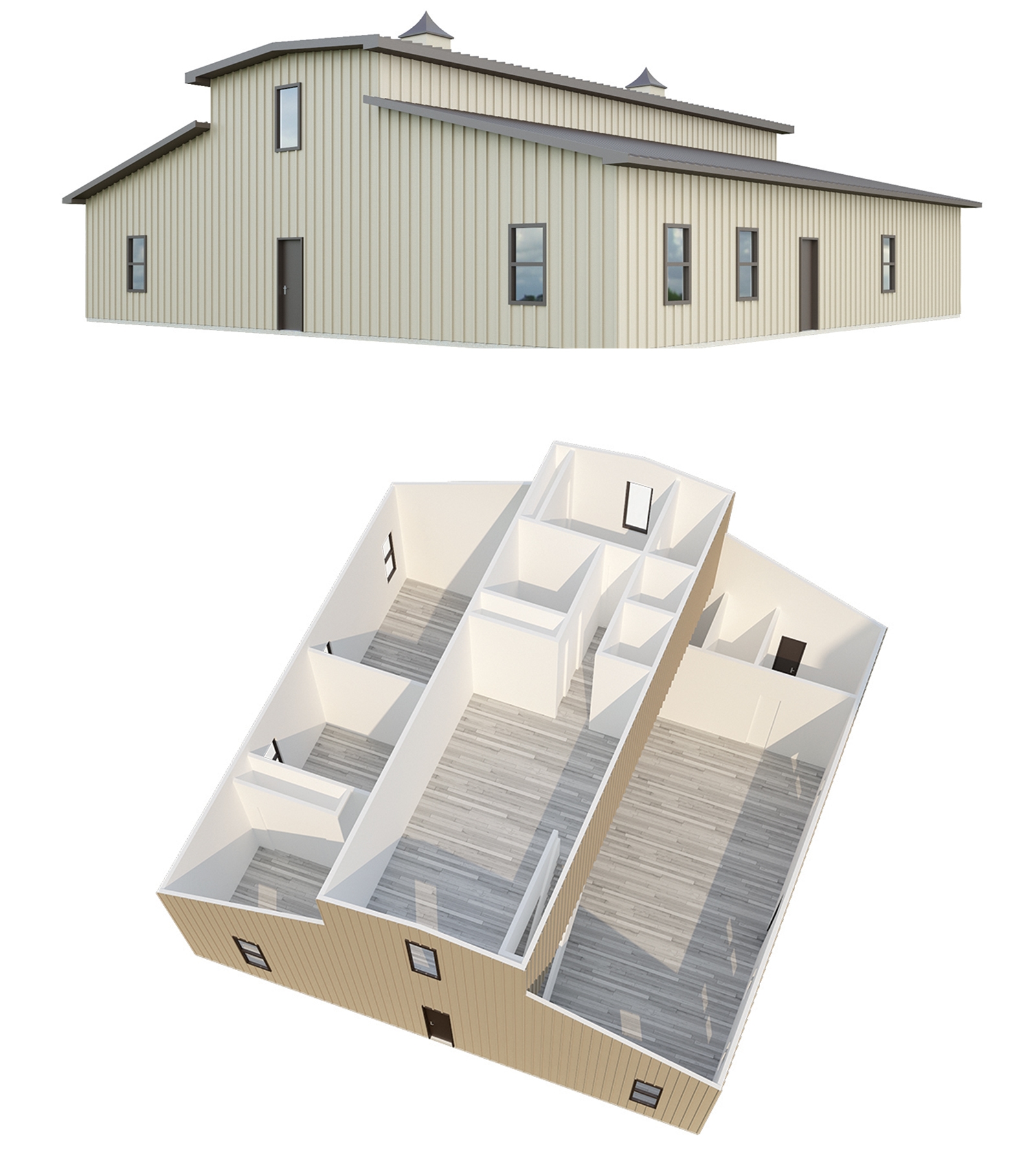
Over the past several decades General Steel has demonstrated just how versatile rigid frame construction can be. General Steel buildings are often the most economical and always the most durable solution whether you’re building a garage, barndominium (pictured), mini-storage units or even a school.
The modern steel building, including rigid frame buildings, has outgrown its “metal box” reputation. No longer are these facilities limited to static designs and bland execution. Rigid frame buildings offer endless possibilities for attractive and useful facilities. To get a sense of just how versatile these buildings have become, take a look at how our customers are custom designing their metal building kits with our team for just about any application imaginable.
Ready to Design Your Building? Use Our 3D Designer Request Your Quote.
Bring your project to life with our 3D Building Designer. Already know your size? Get a quick quote (3 easy steps) with our Price Your Building Online form. Prefer a person? Call us now for immediate assistance with your project.